
18 Sep How Do I Prevent Animals From Damaging My Roof?
When you start hearing scratching, scampering, or pecking noises above, it can be unsettling. Many homeowners discover that the culprit is wildlife trying to make a home in their roof. Over the years, I’ve helped countless property owners protect their roofs, and I know exactly what steps work to keep animals away—and I’ll share them here.
So how do I prevent animals from damaging my roof? The best way to prevent roof damage from animals is to seal entry points, trim overhanging branches, install protective covers on vents and chimneys, and schedule regular roof inspections. These steps stop squirrels, raccoons, birds, and other pests from causing costly damage.
By the end of this article, you’ll know the most effective ways to protect your home, the mistakes homeowners often make, and the warning signs that signal an animal problem before it turns into an expensive repair.
Seal and Secure Roof Openings
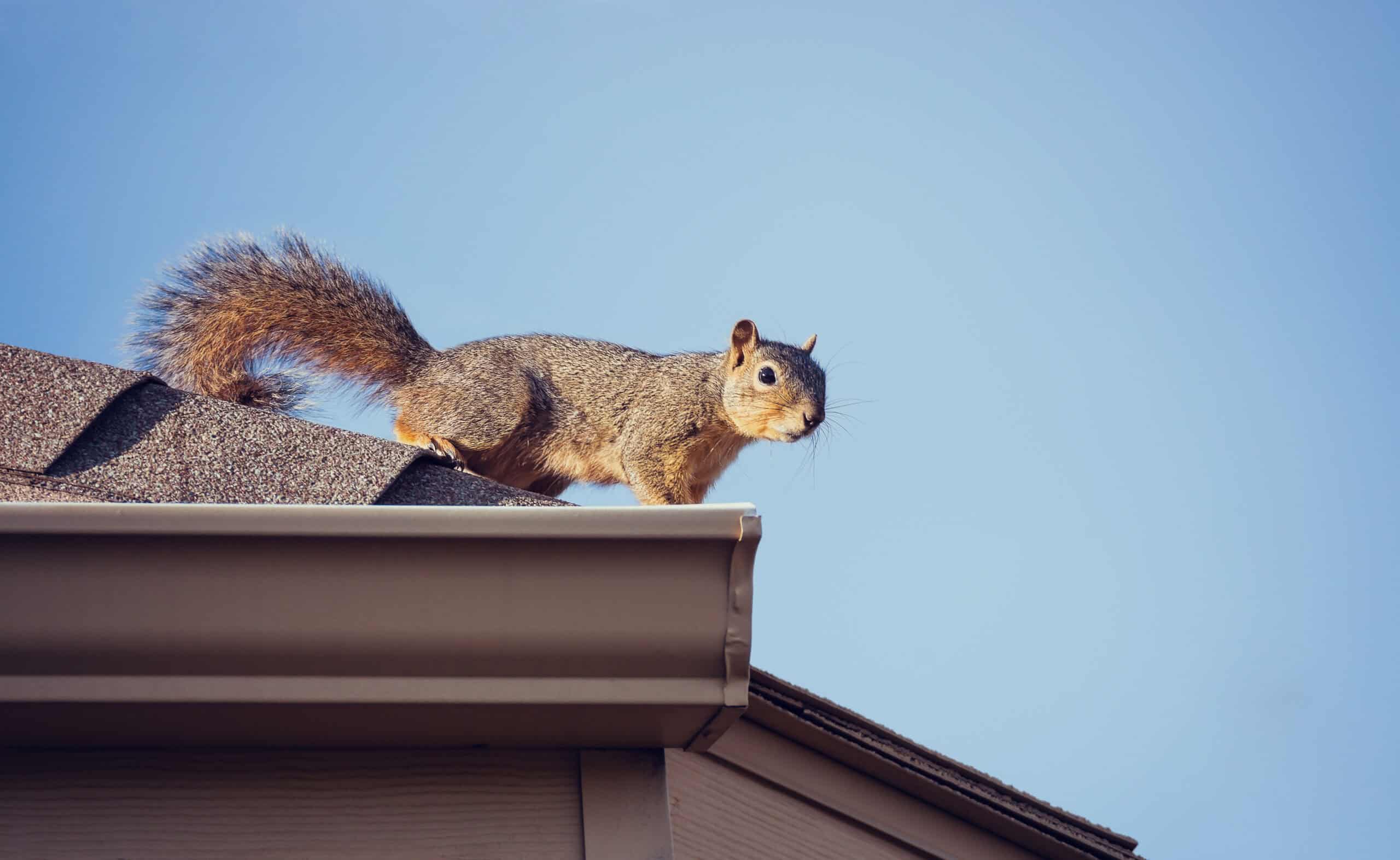
Most roof damage caused by animals starts with small entry points that often go unnoticed. A squirrel only needs a gap the size of a golf ball to squeeze inside, and raccoons are strong enough to pull up loose shingles or pry open soffit panels. Birds, on the other hand, often slip into attic vents or chimneys that aren’t properly capped.

A thorough inspection of your roofline is one of the smartest investments you can make. Pay attention to vent covers, chimney caps, soffits, and fascia boards. If you find cracks or gaps, seal them with durable materials like metal flashing. Caulk and foam fillers may work for temporary fixes, but they are no match for the persistence of a determined raccoon or squirrel. Replacing rotted wood quickly also eliminates one of the easiest ways animals break through. Once these areas are reinforced, you’ll block off the most common pathways wildlife use to enter your home.
Trim Back Trees and Branches
One of the biggest mistakes homeowners make is ignoring overhanging branches. To you, they might look harmless, but to animals, they are convenient bridges straight to your roof. Squirrels can easily leap several feet, and raccoons are skilled climbers that use trees as natural ladders.
Keeping tree limbs at least eight to ten feet away from your roofline makes it much harder for these animals to reach your home. Regular trimming not only protects your roof from wildlife but also prevents storm damage. Heavy limbs can snap during strong winds or snowstorms, puncturing your roof and leaving openings that animals quickly take advantage of. Think of trimming trees as both a safety measure and a long-term investment in your roof’s health.
Add Deterrents and Barriers
Even when you’ve sealed openings and trimmed trees, some wildlife is persistent. Adding deterrents is a great way to make your roof less appealing. Motion-activated lights or sprinklers are effective at startling raccoons, possums, and other nocturnal pests. Birds can be particularly stubborn, especially woodpeckers that peck at shingles or siding in search of insects. Installing bird spikes or lightweight netting can help discourage them from nesting or roosting on your home.
In areas with high rodent activity, reinforcing vulnerable spots with rodent-proof wire mesh adds another layer of protection. These barriers aren’t just about keeping animals out—they also reduce the chances of damage to insulation, wiring, and ventilation systems inside your attic. The more uninviting your roof becomes, the less likely it is that wildlife will stick around.
Get Regular Roof Inspections
Even the most watchful homeowner can overlook subtle warning signs of an animal problem. Small droppings, bits of nesting material, or faint gnaw marks often remain hidden until the damage becomes obvious. By then, repairs can cost thousands of dollars. That’s why scheduling regular roof inspections is such a smart strategy.
A professional roofer not only checks for leaks and wear but also knows where animals are most likely to enter. They’ll look inside your attic, examine roof penetrations like vents and chimneys, and identify vulnerabilities before they turn into bigger problems. Ideally, you should schedule an inspection at least once a year, and especially after major storms, since strong winds often create the very openings that animals exploit. Preventive inspections save money, protect your roof’s lifespan, and provide peace of mind that your home is secure.
Conclusion
Protecting your roof from wildlife is all about prevention and consistency. By sealing entry points, trimming nearby branches, adding deterrents, and scheduling regular inspections, you reduce the chance of animals causing costly structural damage. Staying proactive not only keeps pests away, but also safeguards your home’s integrity and saves you from expensive repairs in the long run.
Frequently Asked Questions
Can animals cause serious roof damage?
Yes. Raccoons and squirrels often chew through shingles, fascia, wires, and insulation, which can create both structural and fire hazards. Birds may clog gutters and vents with nesting materials, leading to water damage, leaks, and mold problems. Even bats can cause health risks with their droppings if they find a way inside.
What animals most commonly damage roofs?
The most common culprits are squirrels, raccoons, pigeons, woodpeckers, and bats. Each presents different risks. Squirrels chew to keep their teeth sharp, raccoons are powerful and can rip through materials, birds often nest and create blockages, and woodpeckers peck at siding or shingles in search of insects.
Is it safe to remove animals myself?
It’s not recommended. Many wild animals carry diseases, parasites, or can become aggressive when cornered. Attempting to trap or remove them yourself can put you and your family at risk. The safest approach is to contact a licensed wildlife removal professional, then have a roofer secure and repair the damaged areas to prevent future problems.
Sorry, the comment form is closed at this time.