


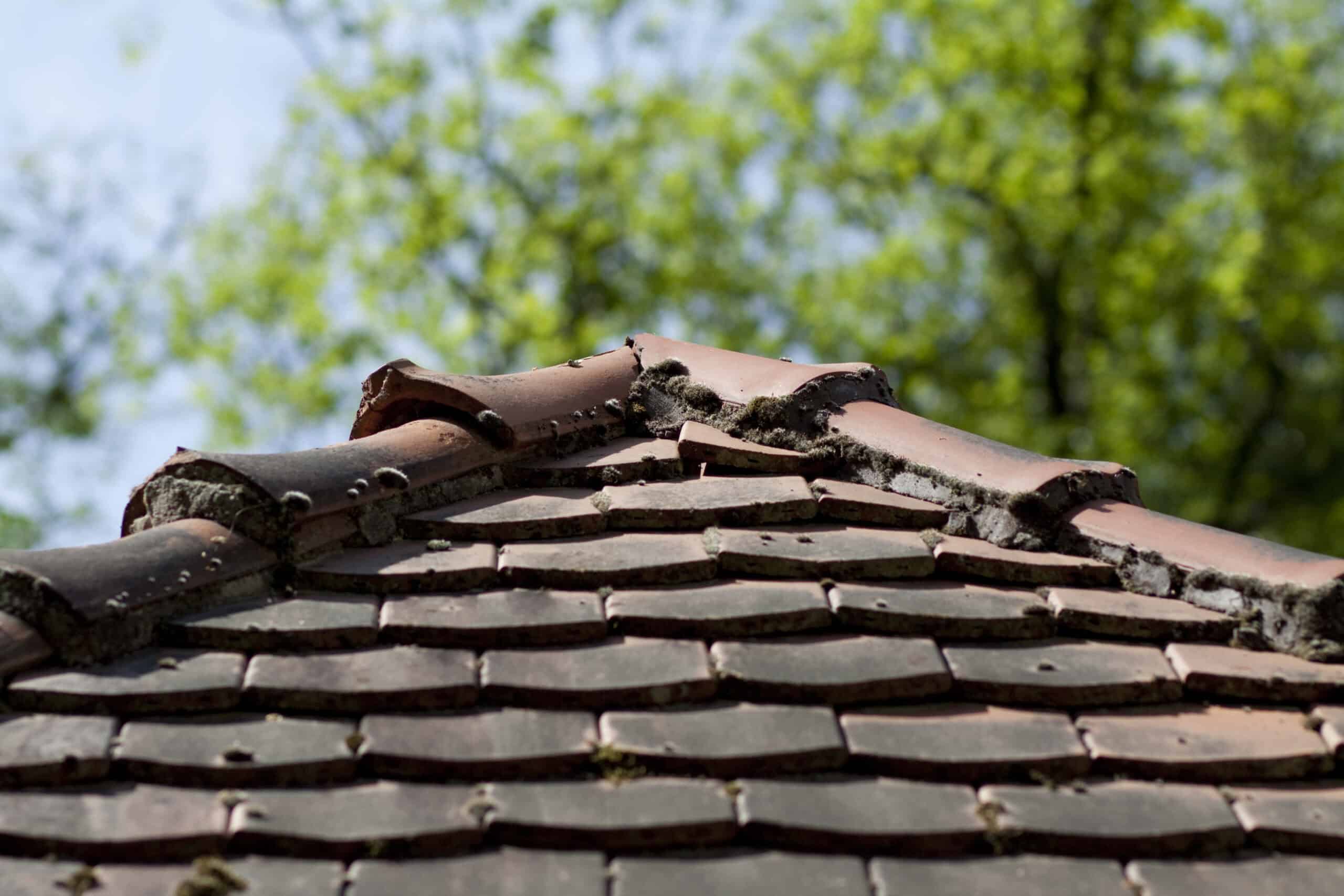
18 Sep 7 Clear Signs Your Roof Has Structural Damage – What to Do Next
When it comes to protecting your home, your roof is the first line of defense. But what happens when the very structure of your roof is compromised? As a roofing professional, I’ve seen what happens when early warning signs are ignored—and the results are never pretty. The good news is, I know exactly what to look for, and I can help you catch problems before they turn into costly repairs.
So what are the clear signs your roof has structural damage? The most common red flags include sagging rooflines, cracked or missing shingles, water stains inside the home, excessive granule loss, damaged flashing, bowing ceilings, and mold or rot in the attic. If you notice any of these issues, it’s critical to act quickly before small problems turn into serious risks.
In this article, we’ll look at each of these warning signs in detail, explain why they matter, and show you what to do before the damage gets worse. By the end, you’ll know exactly how to protect your home and extend the life of your roof.
Sagging Rooflines: The Most Obvious Warning Sign
One of the easiest ways to spot structural roof damage is by simply looking at the roofline from the outside. A healthy roof should appear straight and solid. If you notice visible dips or curves, that usually means the underlying structure—such as rafters, trusses, or decking—is starting to fail. This often happens when wood has been exposed to water for too long, when snow or debris has added excessive weight, or when the roof wasn’t properly supported during installation.
A sagging roofline is not just a cosmetic problem; it can quickly progress to roof collapse if ignored. The safest response is to call a roofing expert immediately for inspection.
Cracked, Curling, or Missing Shingles
Shingles are your roof’s first layer of protection, and when they’re damaged, water has a direct path inside. Cracks, curling edges, or missing shingles are more than surface flaws—they allow moisture to seep into the decking and eventually weaken the roof’s support system. Curling shingles often signal poor ventilation or aging materials, while cracks may appear after years of sun exposure.
Even one missing shingle can start a chain reaction of damage, especially during heavy rain. Replacing them quickly prevents small problems from becoming widespread structural issues.
Water Stains on Walls or Ceilings
If you spot water stains inside your home—whether on ceilings, walls, or around windows—it’s a sign your roof isn’t keeping moisture out. Stains often appear as brown rings, peeling paint, or bubbling drywall. The most common causes include worn-out shingles, clogged gutters that push water under the roofline, or faulty flashing around chimneys and skylights.
While it may be tempting to paint over the stains, that won’t stop the source of the leak—the longer water seeps in, the more damage it causes to beams, insulation, and drywall.
Excessive Granule Loss
Asphalt shingles are covered with small granules that protect against sun damage and weathering. Over time, these granules can wear off, but when you start to see large amounts collecting in your gutters or at the bottom of downspouts, it’s a warning that your roof is losing its ability to protect itself.
This issue is especially concerning on older roofs or after hailstorms, when granule loss accelerates. Once the protective coating is gone, shingles deteriorate much faster, leaving the roof deck exposed to water infiltration.
Damaged or Rusted Flashing
Flashing is a thin material that seals joints and directs water away from vulnerable areas such as chimneys, vents, and skylights. When flashing cracks, rusts, or pulls away from the roof, it leaves small gaps where water can seep inside.
Although flashing damage may look minor, it’s often the root cause of major leaks. Regular inspections help catch problems early, and simple repairs can save homeowners from having to replace larger portions of their roof later.
Bowing or Cracked Ceilings

Inside your home, sagging or cracked ceilings can be one of the most alarming signs of roof trouble. This usually happens after prolonged leaks have weakened the beams and joists above. Sometimes the damage is slow and gradual, but in severe cases, ceilings can give way suddenly, leaving you with expensive interior repairs on top of roof restoration.
If you notice bowing drywall or cracks that continue to widen, schedule a roof inspection right away.
Mold, Rot, or Mildew in the Attic
Your attic can reveal a lot about the health of your roof. If you smell a musty odor, see dark patches on wood beams, or notice mold on insulation, moisture has likely been seeping through the roof. Over time, this can cause the wooden supports to rot and compromise the entire roof structure.
Moisture in the attic also points to ventilation issues. A well-ventilated attic keeps the roof dry and prevents condensation. If you spot mold or rot, both the ventilation system and the roof should be checked immediately.
Frequently Asked Questions
How often should I inspect my roof for structural damage?
Most roofing professionals recommend inspecting your roof twice a year, ideally in the spring and fall. You should also check after major storms to catch damage before it worsens.
Can small leaks really cause structural roof damage?
Yes. Even small leaks let water into your home’s structure. Over time, this leads to wood rot, weakened beams, and costly repairs. Addressing leaks quickly is always the best choice.
When should I replace my roof instead of repairing it?
If your roof is over 20 years old, shows widespread shingle damage, or has multiple structural issues, replacement is often the smarter investment compared to frequent repairs.
Sorry, the comment form is closed at this time.